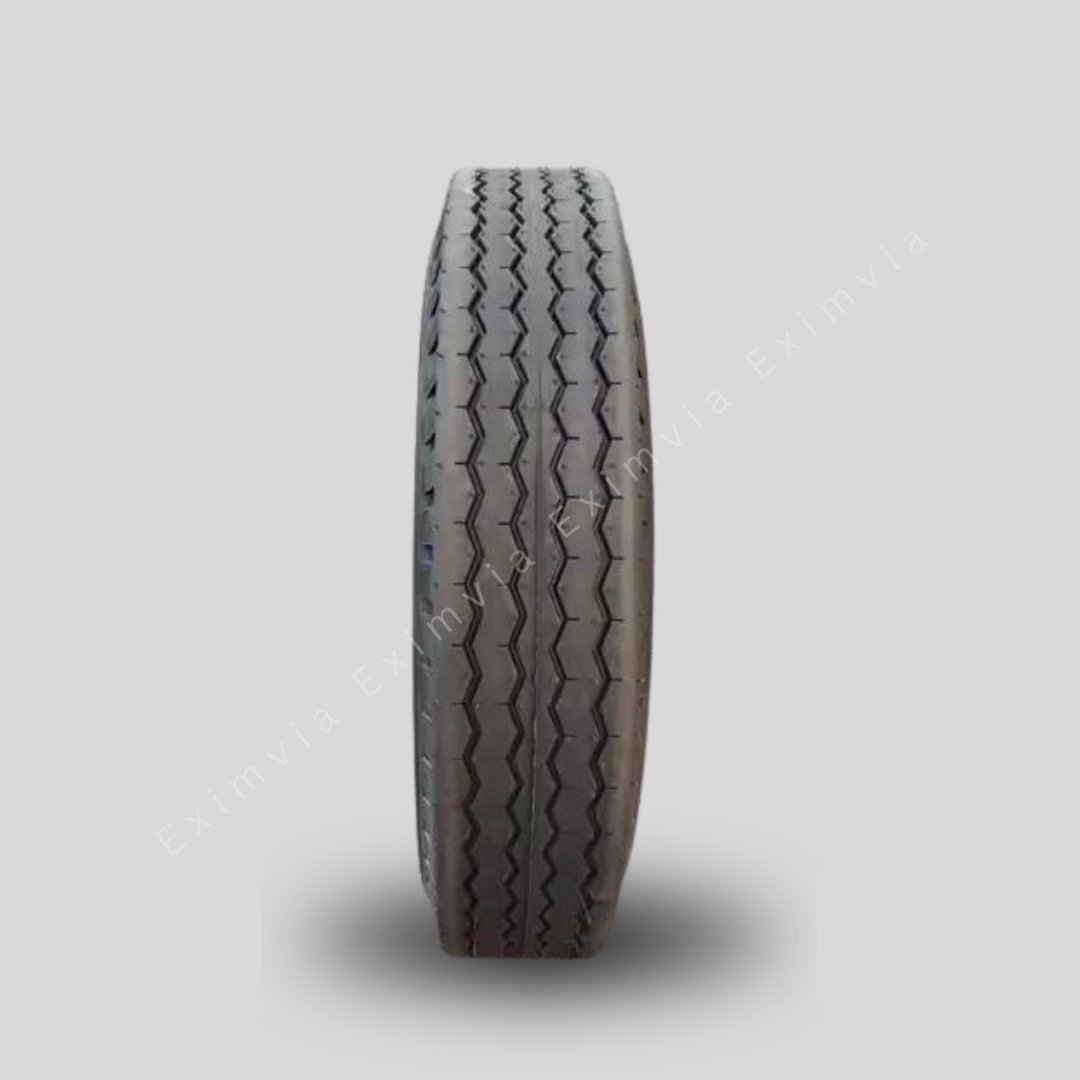
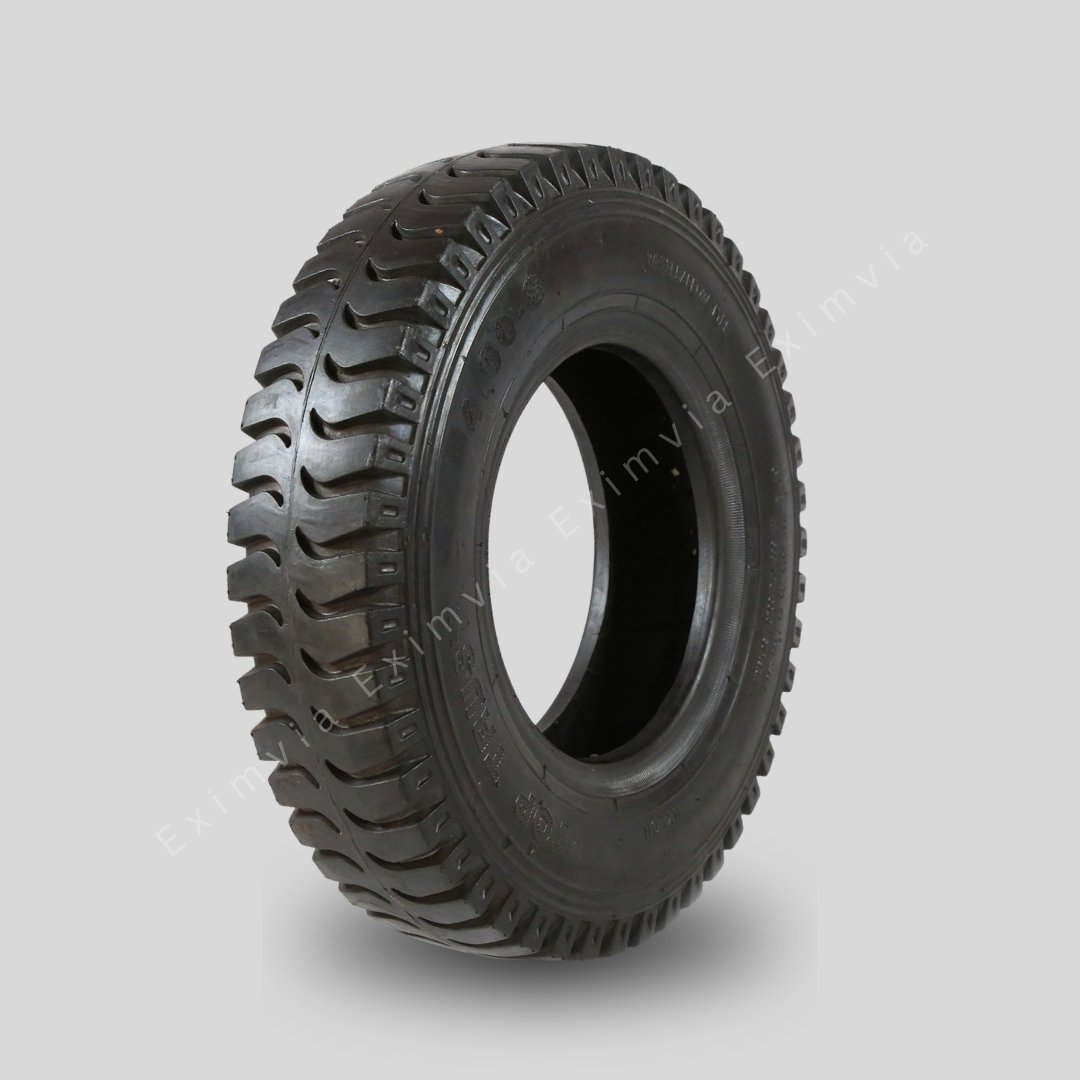
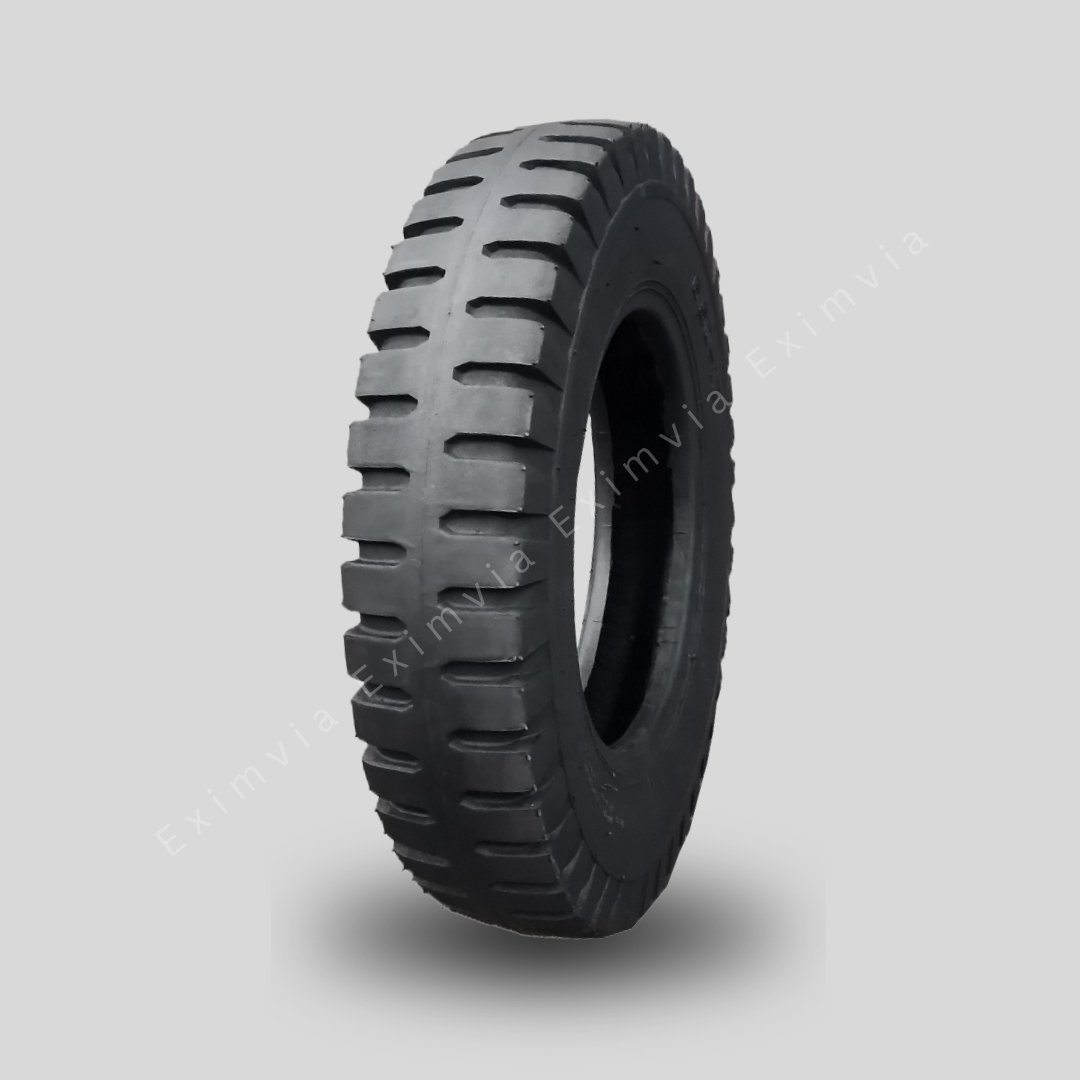
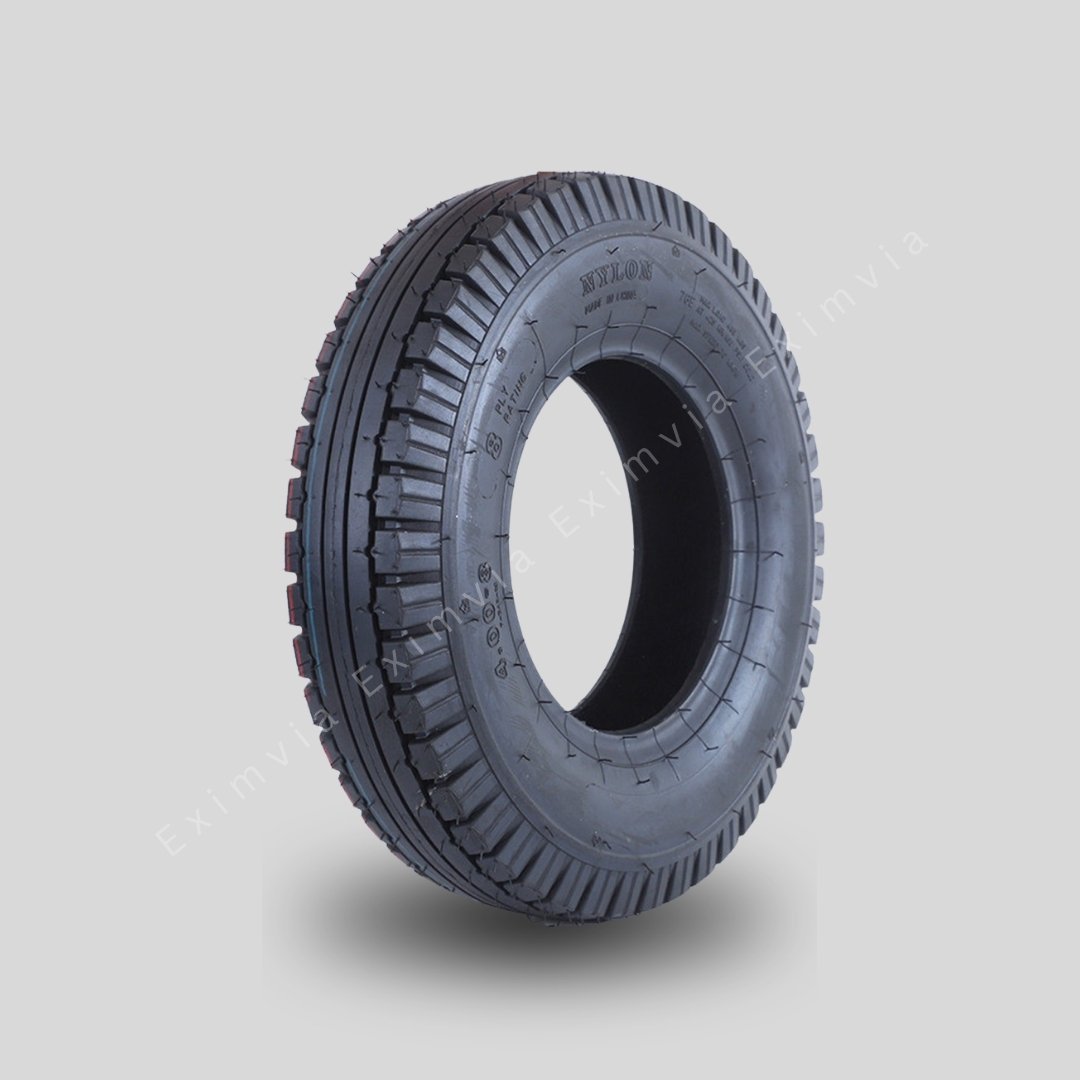
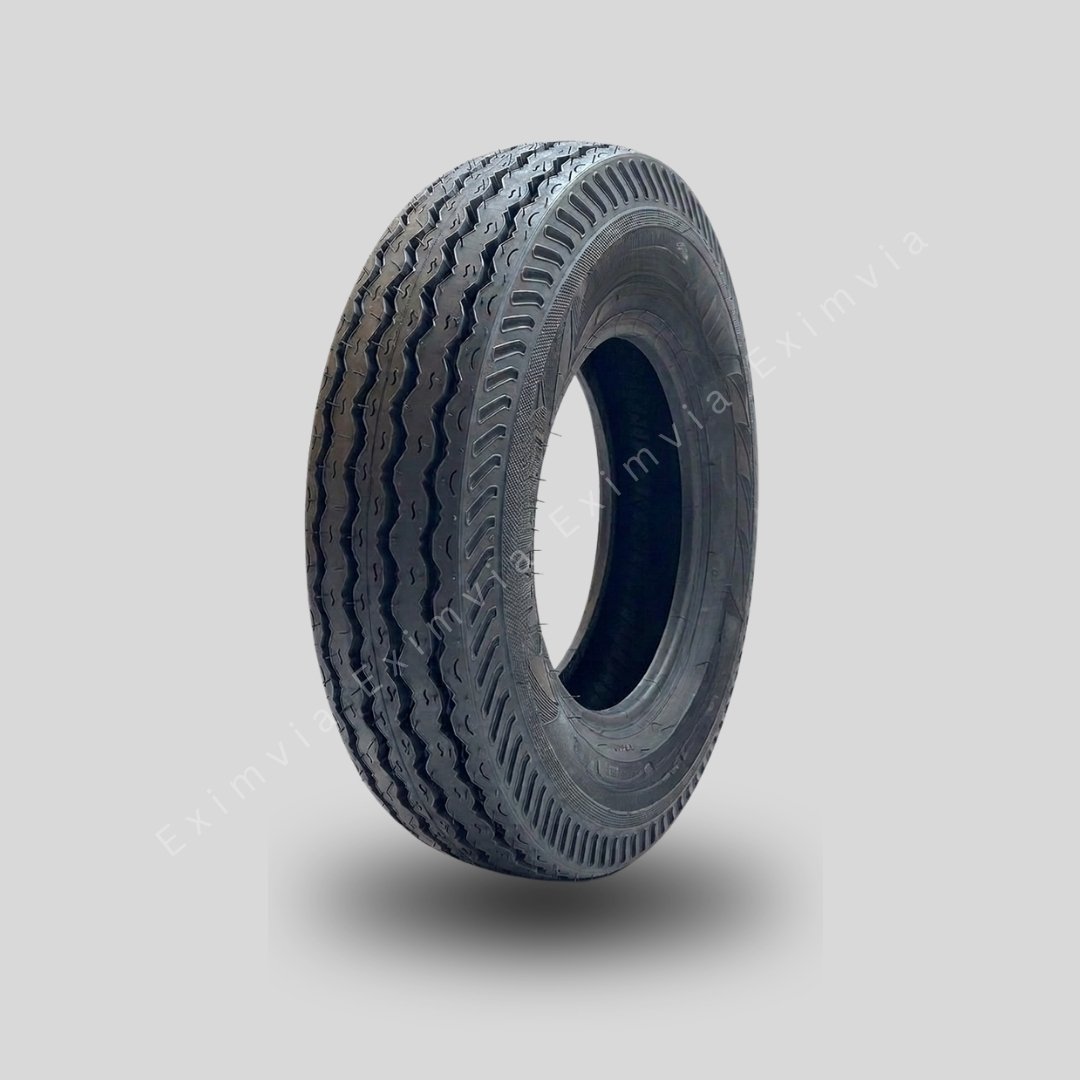
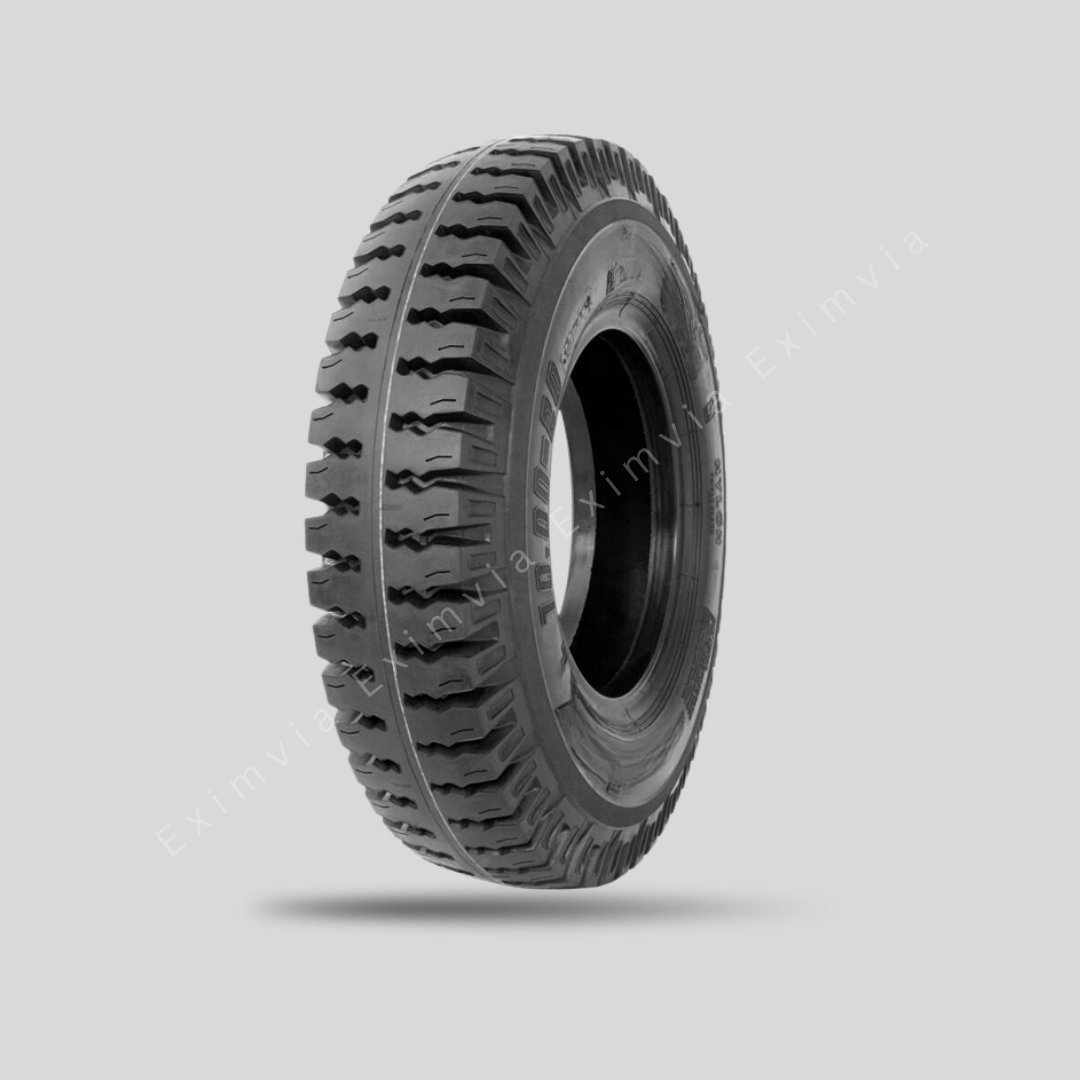
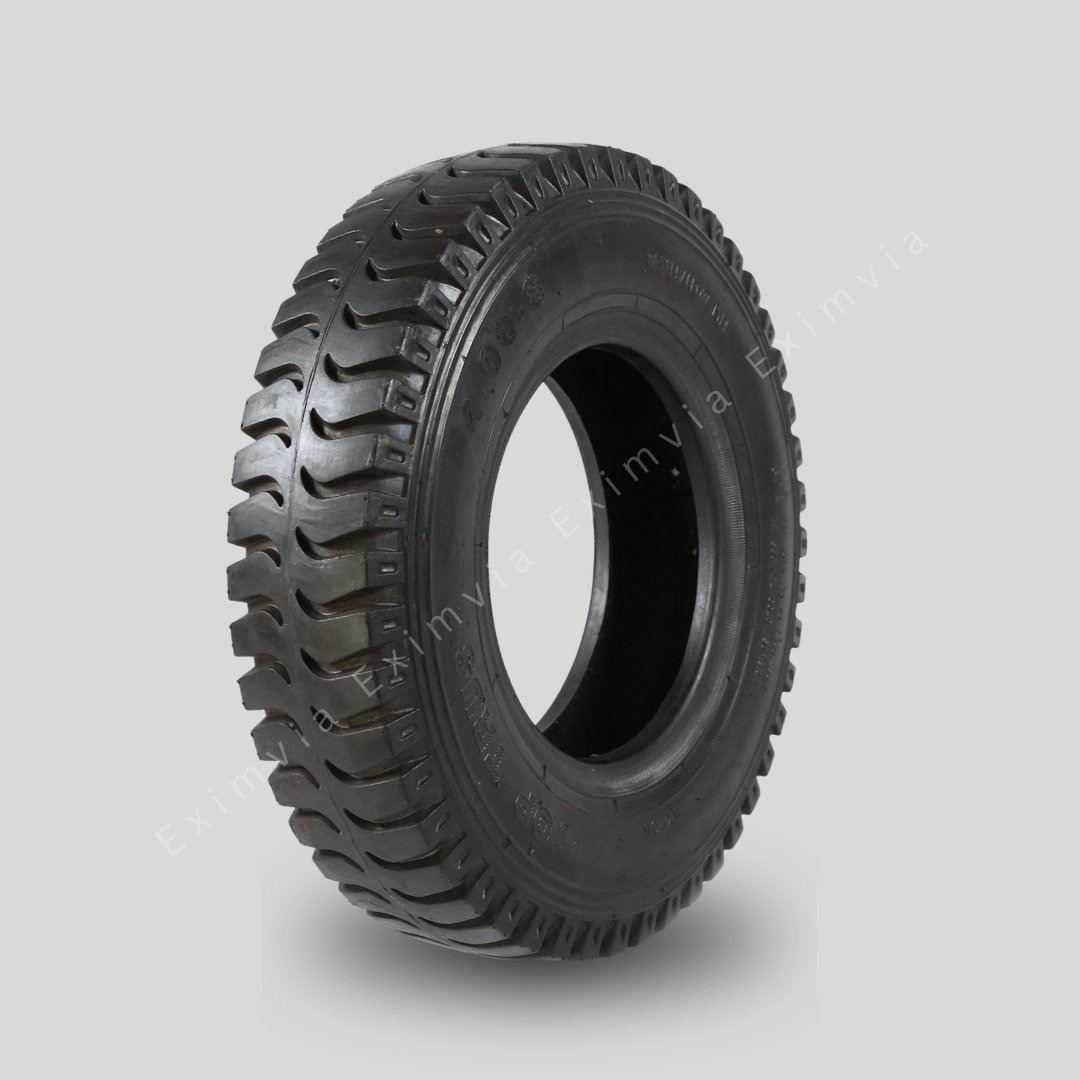
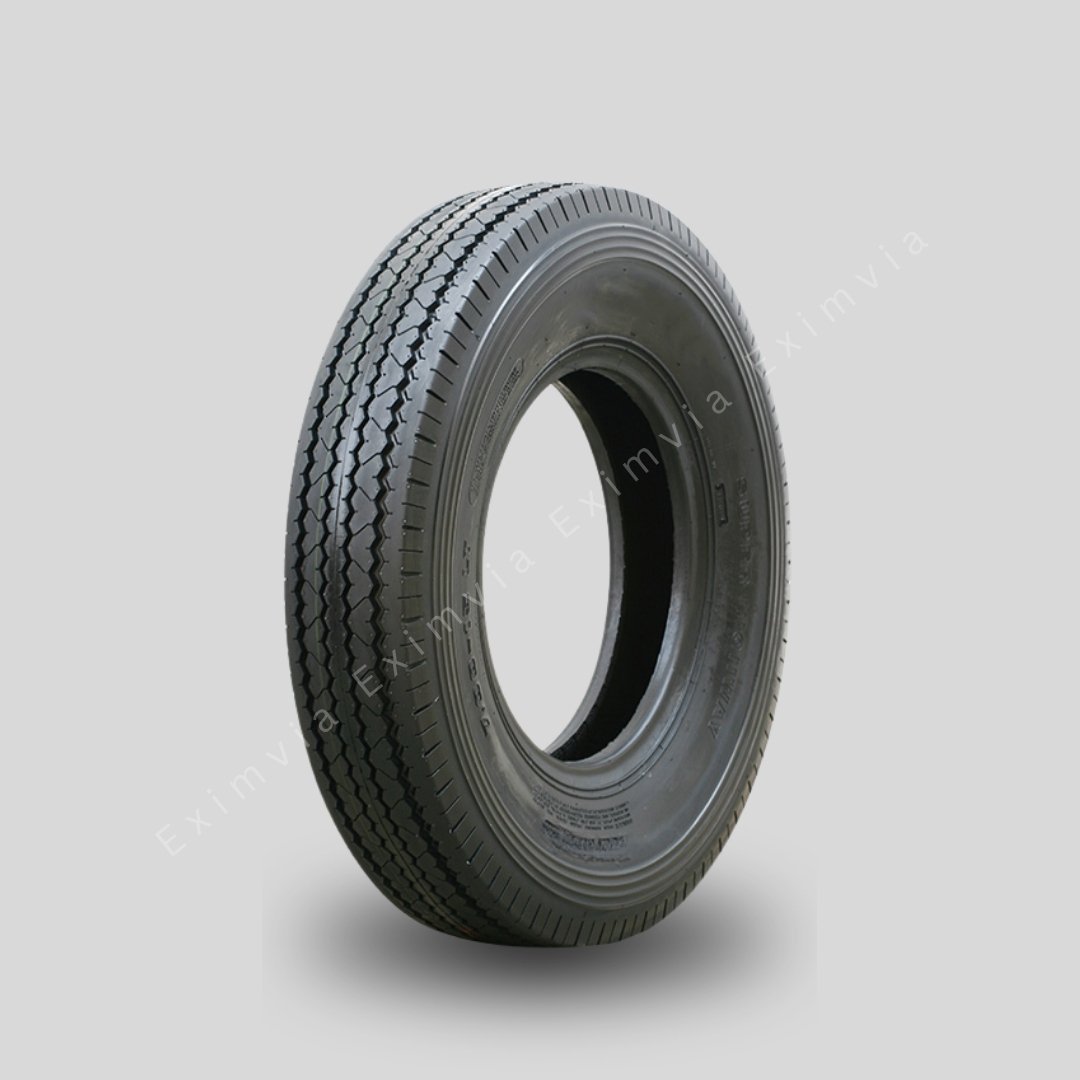
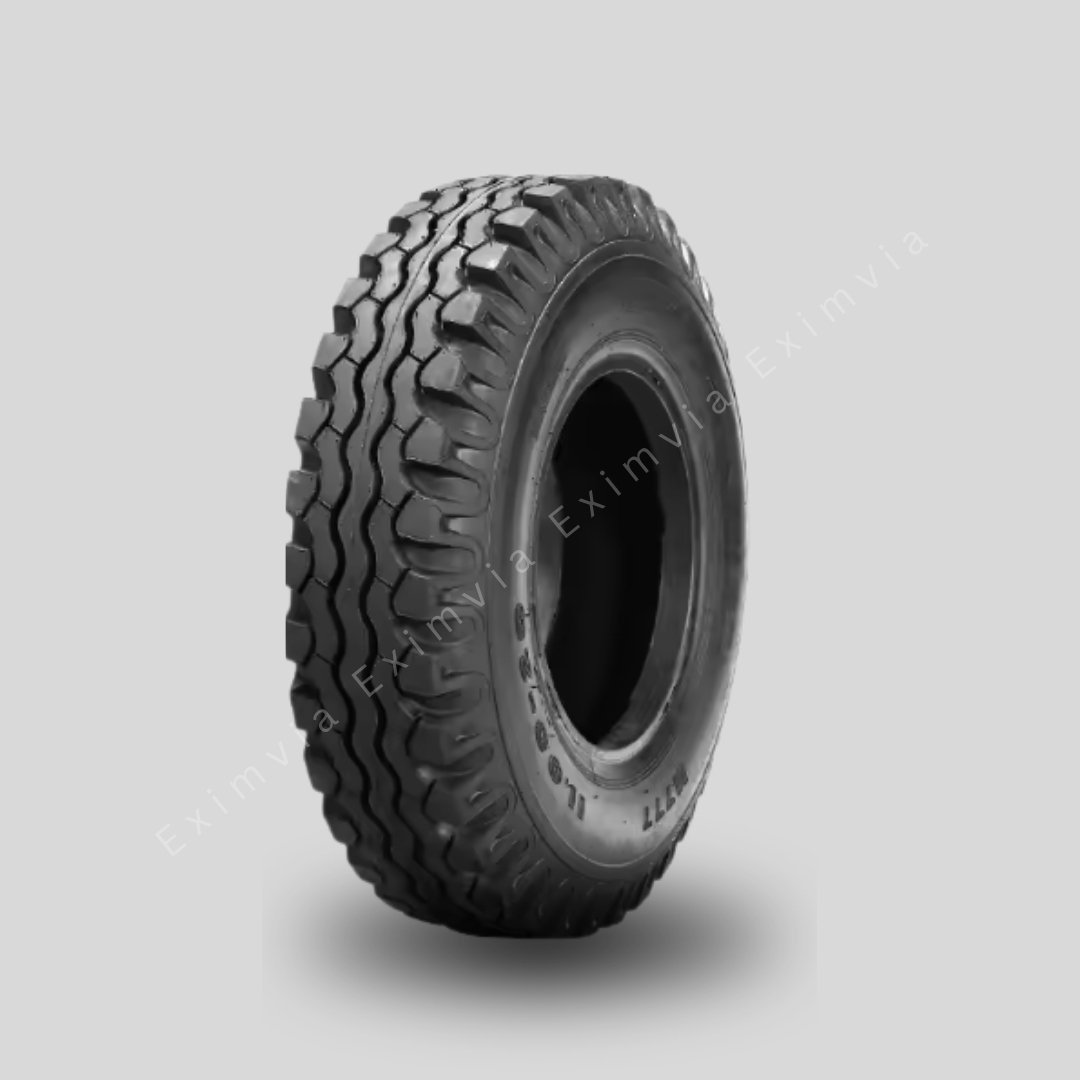
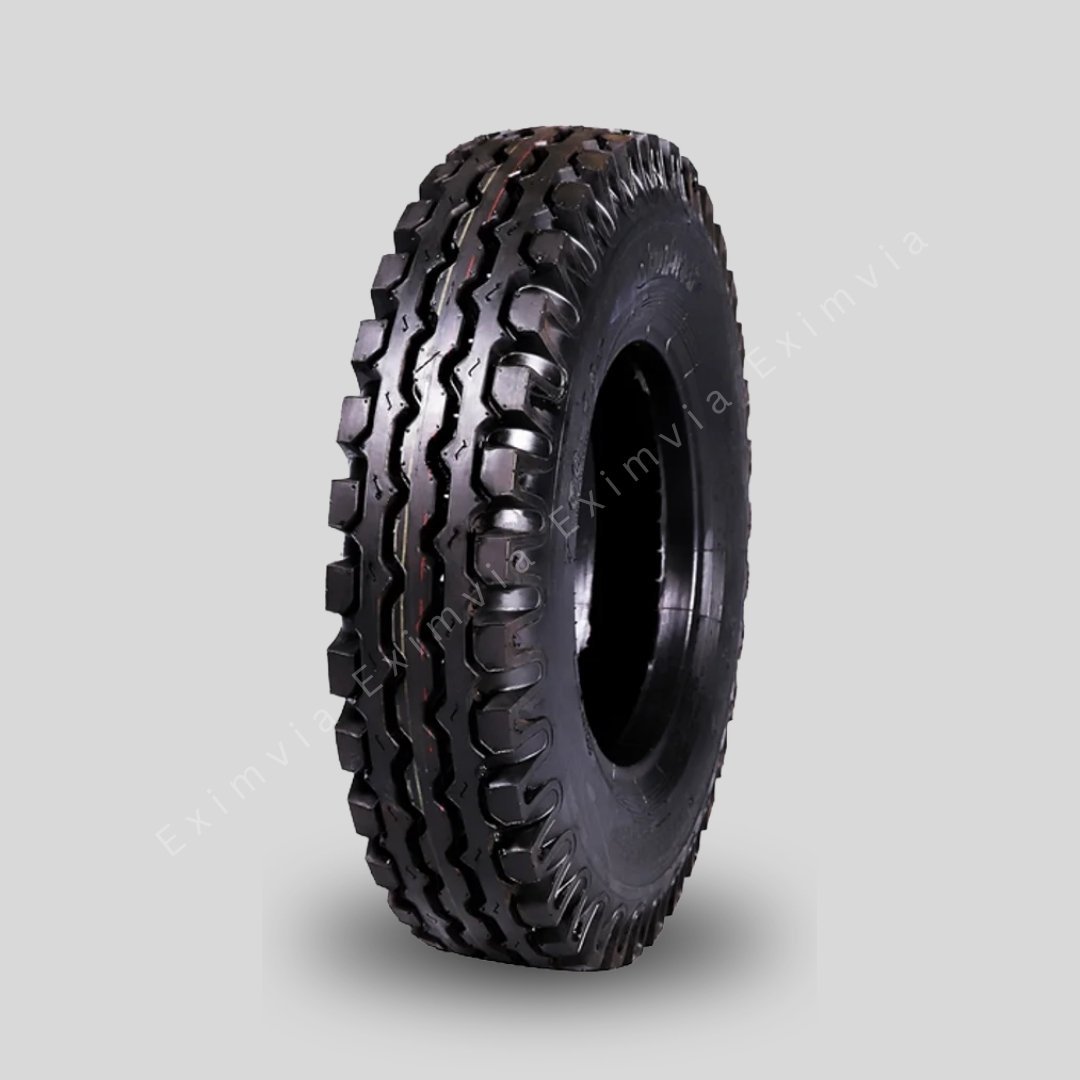
BIAS NYLON TRUCK & BUS TYRES — EXPORTED FROM INDIA
We specialise exclusively in bias ply tires — nylon construction commercial truck tires and light truck tires built for the roads, loads, and repair conditions of emerging markets worldwide.
From auto rickshaws and light commercial vehicles to heavy trucks and buses — our nylon road tyre range covers every commercial vehicle segment exported globally.
This is not a compromise. It is a deliberate specialisation.
Bias ply tires — also called bias tires or bias tyres — are built using multiple layers of nylon cord that run diagonally across the tyre at alternating angles. This nylon construction gives the tyre a stiff, robust sidewall, high load capacity, and exceptional resistance to damage from rough roads, overloading, and field repairs. For our target markets — truck fleets in Africa, the Middle East, South Asia, and Latin America — these are not limitations. These are features.
We supply bias nylon commercial truck tires and light truck tires exclusively because they are the dominant tyre type across the markets we serve. The roads are rougher, tyres are repaired more frequently, fleets run older vehicles, and total cost of ownership — not high-speed fuel efficiency — is the primary buying criterion for fleet owners and distributors.
If you are importing commercial truck tires for distribution in Africa, the Middle East, or any emerging market — you already know this. Bias ply is what your customers ask for, what your repair shops can service, and what generates repeat business. We have built our entire supply chain around it.
The radial vs bias ply debate looks different depending on which market you are actually selling into. Here is what distributors need to know.
| Factor | Bias Ply Tires (Nylon) | Radial Tires |
|---|---|---|
| Construction | Nylon cord layers at diagonal angles — stiff, strong sidewall | Steel belt + radial cord — flexible sidewall, rigid tread |
| Sidewall Strength | Superior — absorbs overloading and road damage better | Weaker sidewall — vulnerable to cuts on rough roads |
| Repairability | Easy — repaired by any roadside tyre shop in Africa and ME | Requires specialist equipment — difficult in remote markets |
| Purchase Price | Lower — better affordability for fleet owners in emerging markets | Higher upfront cost |
| Overloading Tolerance | High — designed to handle real-world overloading conditions | Low — overloading damages steel belt structure |
| Fuel Efficiency | Moderate — not optimised for highway fuel economy | Better on motorways at consistent speed |
| Heat Buildup | Higher at sustained high speed — not designed for motorway cruising | Lower heat at highway speed |
| Best Market Fit | Africa, Middle East, South Asia, Latin America — mixed roads, repair-heavy environments | Europe, USA — well-maintained motorways, specialist repair access |
The difference between radial and bias tires is not a question of which is better overall — it is a question of which is right for your market. For distributors supplying truck fleets in Africa and the Middle East, the bias tire market is large, consistent, and growing. Fleet operators in these regions choose bias ply nylon tires because they are repairable anywhere, tolerate real-world loading conditions, and deliver the lowest total cost per kilometre on the roads they actually drive.
Every tyre we supply is bias ply nylon construction — the right choice for your market.
Our commercial truck tires are bias ply nylon construction — built for the heavy freight, long-haul, and mixed-road operating conditions typical of trucking fleets across Africa and the Middle East. These are tube-type tyres in the sizes that dominate the commercial trucking market in our target regions: large rim diameters, multiple ply ratings, and robust nylon cord construction that handles overloading, rough roads, and repeated field repairs far better than radial alternatives.
These are the tyres your customers need — and the tyres your repair shops can actually service when a truck breaks down 300km from the nearest city.
Bus fleets across Africa and the Middle East run predominantly on bias ply nylon tyres — for the same reasons truck operators prefer them. Buses carry high passenger loads on mixed road quality, operate continuous daily shifts, and need tyres that can be repaired quickly and cheaply anywhere along the route. Bias nylon bus tyres deliver on all of these requirements.
We supply bus bias tyres in the sizes most commonly used by intercity coaches, urban transit buses, school buses, and minibus fleets across our export markets.
Light truck tires — also called light truck tyres or commercial light truck tires — cover the tyre needs of pickups, vans, minibuses, ambulances, small delivery trucks, and other light commercial vehicles. This is one of the fastest-growing import categories in Africa and the Middle East as light commercial vehicle penetration increases across both urban and rural markets.
The best light truck tires for emerging markets are bias ply nylon — exactly what we supply. They handle the combination of tarmac and unpaved road that most light commercial vehicle operators deal with daily, they survive overloading (which is common in markets where vehicle regulations are loosely enforced), and they can be repaired at any local tyre shop.
What are light truck tires? Simply put, light truck tires are tyres designed for vehicles with a gross vehicle weight rating (GVWR) between 2,500kg and 6,000kg — heavier than a passenger car but lighter than a full commercial truck. They carry a higher load rating than passenger car tyres and are built with stronger sidewalls to handle cargo, passengers, and mixed road conditions.
The bias tire market is frequently underestimated by those who follow only European or North American tyre trends. Globally, bias ply tires remain the dominant tyre type for commercial vehicles across Africa, South Asia, Southeast Asia, the Middle East, and Latin America — regions that together represent billions of people and hundreds of millions of commercial vehicles.
Here is why the bias tire market remains strong and why importers in these regions continue to prioritise bias over radial:
Bias ply tires are built with multiple layers of nylon cord running diagonally across the tyre at alternating angles — typically at 30 to 40 degrees to the direction of travel. This creates a tyre with a stiff, strong sidewall and a unified flex pattern across both the sidewall and tread. Radial tires use steel belts under the tread with cord running at 90 degrees — creating a more flexible sidewall and a stiffer tread zone. The difference between radial and bias tires in practice is significant: bias ply tires handle overloading, rough roads, and frequent repairs far better. Radials are more fuel-efficient on smooth motorways but are vulnerable to sidewall damage and difficult to repair in the field.
Because our markets specifically demand bias ply nylon tyres. We export to Africa, the Middle East, South Asia, and Latin America — regions where bias tires dominate the commercial vehicle tyre market for practical reasons: road conditions, repair infrastructure, fleet age, and loading patterns all favour bias ply construction. Supplying radials into these markets would mean selling the wrong product to the wrong customer. We specialise in bias so we do it better than generalist suppliers — better availability, deeper size range, and stronger supply chain consistency.
Light truck tires are tyres designed for light commercial vehicles — pickups, vans, minibuses, small delivery trucks, and ambulances — with a gross vehicle weight rating (GVWR) typically between 2,500kg and 6,000kg. They carry a higher load rating than standard passenger car tyres and are built with stronger sidewalls for cargo and passenger loads. Our light truck tires are bias ply nylon construction — the correct type for emerging markets where these vehicles operate on mixed road surfaces and need repairable, durable tyres.
The best light truck tires for African markets are bias ply nylon tyres in the sizes matched to the most common light commercial vehicles in your distribution area. For East Africa, 7.00-16 and 7.50-16 are the dominant sizes for Toyota Land Cruiser, Isuzu D-Max, and similar pickups. For West Africa, minibus sizes like 6.50-16 and 7.00-15 are high volume. The best commercial light truck tires for these markets are tube-type, bias ply, and available in 10PR or 12PR — balancing load capacity with repairability.
For trucks operating in Africa and the Middle East, the bias vs radial decision is straightforward: bias ply wins on total cost of ownership. Bias tires handle overloading better, survive rough roads with fewer sidewall failures, can be repaired by any local tyre shop, and cost less per unit. Radials deliver better fuel economy on well-maintained motorways — an advantage that has limited value when your trucks are running on mixed or poor road quality. The bias vs radial choice should always be driven by the actual operating environment, not by what is popular in European or US markets.
We supply tube-type bias nylon tires — which is the correct and dominant format for commercial truck, bus, and light truck applications in Africa and the Middle East. Tubeless tyres require specific rim designs and sealing conditions that are not reliably available across the repair ecosystems in these markets. Tube-type tyres are repairable anywhere, which is why fleet operators in these regions consistently prefer them.
Yes. Most of our commercial tyre distributors mix heavy truck sizes, bus tyres, and light truck tire sizes in a single container — serving different fleet segments from one shipment. We optimise the container mix by size, weight, and volume so you maximise product value per container. This is the most cost-effective approach for distributors who supply both trucking companies and light commercial vehicle fleets.
Our bias ply commercial truck tires are compatible with all major truck brands operating in Africa and the Middle East — Tata Motors, Ashok Leyland, Isuzu, Mercedes-Benz Actros, Man, Volvo, DAF, Scania, Hino, Mitsubishi Fuso, and older fleet models. Tyre fitment is determined by rim size and ply rating, not truck brand. Share your most common truck makes and sizes and we will confirm the correct bias ply replacement tyres.
NEED TRUCK & BUS TYRES?
Share your tyre size and quantity — we respond within 24 hours with pricing, packing and shipping details.
Leading Indian manufacturer & exporter of premium tyres and tubes to 30+ countries.
Vill. Nahal, P.O Basti Guzan,
Jalandhar 144 002, Punjab, India
© 2026 Tyres From India (Eximvia) · All rights reserved · Manufactured in India 🇮🇳